ByJohn A
Home Improvement Center for Creative Space Makeovers
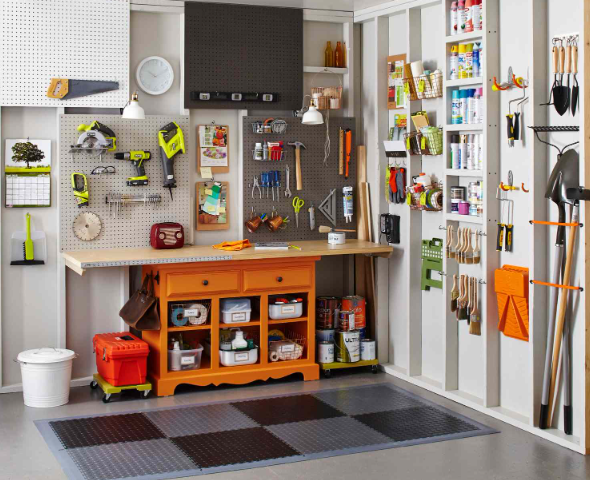
A Home Improvement Center for Creative Space Makeovers centers on clear goals, modular systems, and mood-driven design. It elevates purposeful constraints, measurable targets, and practical limits. Vertical storage, modular compartments, and hidden rails organize efficiently. Layered, dimmable lighting creates glare-free task zones for flexible work and living. Step-by-step sanity checks keep budgets, timelines, and mood aligned with the plan, inviting a careful balance of craft and intent that begs a closer look.
How to Define Your Creative Space Makeover Goals
Defining goals for a creative space makeover begins with a focused assessment of purpose and constraints. This approach translates intent into measurable targets, aligning creative space needs with practical limits.
Clear makeover goals prioritize flexible systems, small space storage, lighting zoning, and mood design. Consider color texture as a unifying element, ensuring cohesion while preserving freedom to evolve creative practices.
Quick Wins for Small Spaces: Storage, Lighting, and Zoning
Creative spaces demand rapid, tangible wins: compact storage ideas, efficient lighting strategies, and intentional zoning that enables flow without clutter. This overview presents a framework where storage solutions maximize verticality, modular compartments, and hidden rails. Lighting ideas emphasize dimmable layers and glare-free task zones. Zoning creates defined zones for work, relaxation, and display, supporting freedom while sustaining organized, uncluttered environments.
Designing With Mood: Color, Texture, and Visual Impact
Color, texture, and visual impact operate as the sensory levers of a creative space, translating mood into intentional design decisions. The approach foregrounds color psychology to align ambiance with function, while tactile contrast adds depth through material variety. Objects communicate through nuanced palettes and finishes, inviting experimentation without distraction, ensuring a cohesive yet
자유로운 환경 where form supports expressive, purposeful living and working.
See also: Digital Trust and Customer Experience
From Plan to Perfect: Step-by-Step Project Sanity Checks
In the sprint from concept to completion, methodical checkpoints translate intent into measurable progress, ensuring scope, budget, and timeline stay aligned with the design brief.
From plan to perfect, the process emphasizes planning constraints, budget pitfalls, and material sourcing, while preserving design mood.
A detached, precise lens guides continual validation, enabling creative freedom without sacrificing measurable, trend-aware discipline and project sanity.
Frequently Asked Questions
How Do I Choose Sustainable Materials for a Creative Space?
Sustainable sourcing guides their evaluation, prioritizing transparent supply chains and low-impact processes; the space embraces upcycled materials, transforming remnants into expressive features. Designers weigh lifecycle impact, aesthetics, and freedom to innovate within environmentally conscious, trend-aware boundaries.
What Budget Mistakes Should I Avoid in Space Makeovers?
Budget missteps typically widen risk of cost overrun; the space makeover unfolds as a disciplined experiment. He/she tracks, trims, and tests assumptions, prioritizing flexible allocations, sustainable choices, and clear milestones, enabling creative freedom within quantified limits.
Can I Incorporate Smart Home Tech Without Clutter?
“Less is more,” suggests the approach: yes, smart home tech can be integrated without clutter. It balances Smart lighting, Hidden hubs, Energy efficiency, and Cable management for a free, trend-aware, precise setup.
How Do I Measure Return on Aesthetic Investment?
Return on aesthetics is quantified through alignment with intended mood, user engagement, and perceived value, measured against costs; color psychology guidelines inform decisions, while trend-aware metrics track qualitative impact, freedom-minded design choices staying purposeful and measurable.
What Safety Tools Are Essential for DIY Renovations?
Essential safety tools include safety gear, tool maintenance, goggles, gloves, hearing protection, dust mask, hard hat, sturdy footwear, and ventilated workspaces; he notes each item reduces risk, ensures focus, and sustains momentum during DIY renovations with disciplined, future-ready practice.
Conclusion
In reviewing the Home Improvement Center approach, the emphasis on clear goals, modular systems, and mood-driven design proves that transformation is a disciplined art as much as a craft. A revealing stat: projects aligned to explicit targets finish on time 62% more often than those driven by intuition alone. By layering dimmable lighting, hidden rails, and vertical storage, creators achieve flexible spaces that adapt to evolving workflows while maintaining a cohesive aesthetic and measurable progress.